Introduction
Varicose veins are swollen, twisted veins that often appear on the legs. They can cause pain, swelling, and discomfort. Today, many people are choosing laser treatment for varicose veins. EVLA, or Endovenous Laser Ablation, is a modern, minimally invasive vein treatment. Because it is safer and offers faster recovery, lasers are now replacing traditional vein surgery. In this blog, we will explain why EVLA is becoming the preferred choice for treating varicose veins.
What Are Varicose Veins?
Varicose veins are enlarged veins that look blue or purple. Usually, they appear on the legs or feet. These veins become twisted and bulge under the skin. As a result, they may cause discomfort or aching. Anyone can get varicose veins, but they are more common in older adults and women.
Symptoms and Causes of Varicose Veins
Many people notice varicose veins because they are visible. However, other symptoms can also occur. For example, you may feel:
But what causes varicose veins? Weak or damaged valves in the veins are the main reason. Normally, these valves keep blood flowing toward the heart. When they do not work well, blood pools in the veins. Over time, this causes the veins to stretch and twist. Factors like age, family history, pregnancy, obesity, and standing for long periods can increase your risk.
Traditional Vein Surgery: Overview and Limitations
For many years, traditional vein surgery was the main treatment for varicose veins. This surgery, called vein stripping, removes the damaged vein through small cuts in the skin. Although it can be effective, there are some drawbacks:
Because of these limits, many people now look for safer and easier options.
What Is EVLA (Endovenous Laser Ablation)?
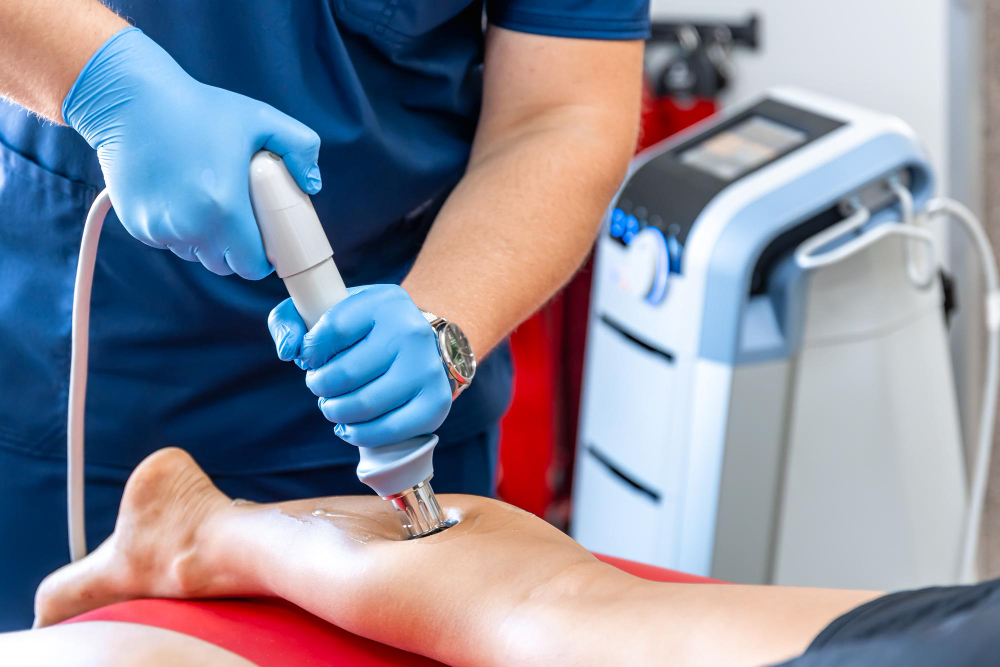
EVLA stands for Endovenous Laser Ablation. It is a modern, minimally invasive vein treatment. Instead of removing the vein, a doctor uses a laser to close it from the inside. This laser treatment for varicose veins is done in a clinic or hospital. Most people can go home the same day. As a result, EVLA is now a popular choice for those seeking fast and effective relief.
How EVLA Works: Step-by-Step
EVLA is a simple procedure. Here is how it works:
Because the procedure is quick, most people spend less than an hour in the clinic.
Benefits of EVLA Over Traditional Surgery
Many people wonder why choose EVLA over surgery. There are several benefits of the EVLA procedure:
Because of these advantages, EVLA is now the preferred treatment for many patients and doctors.
Risks and Considerations of EVLA
Although EVLA is safe, every procedure has some risks. For example, you may experience:
However, serious problems are rare. Most people recover quickly. Always talk to your doctor about your health and any concerns before choosing EVLA.
Recovery and Aftercare Tips
After EVLA, recovery is usually quick. Most people return to normal activities within a day or two. To help your healing, follow these tips:
If you have any concerns, contact your doctor right away.
Prevention and Lifestyle Guidance
While EVLA treats existing varicose veins, you can take steps to prevent new ones. For example:
Because healthy habits support good vein health, they can lower your risk of future problems.
Conclusion
In summary, Varicose Veins & EVLA offer a safe and effective way to treat painful veins. Laser treatment for varicose veins is less invasive and offers many benefits over traditional surgery. If you are considering treatment, consult a vascular specialist to discuss if EVLA is right for you.