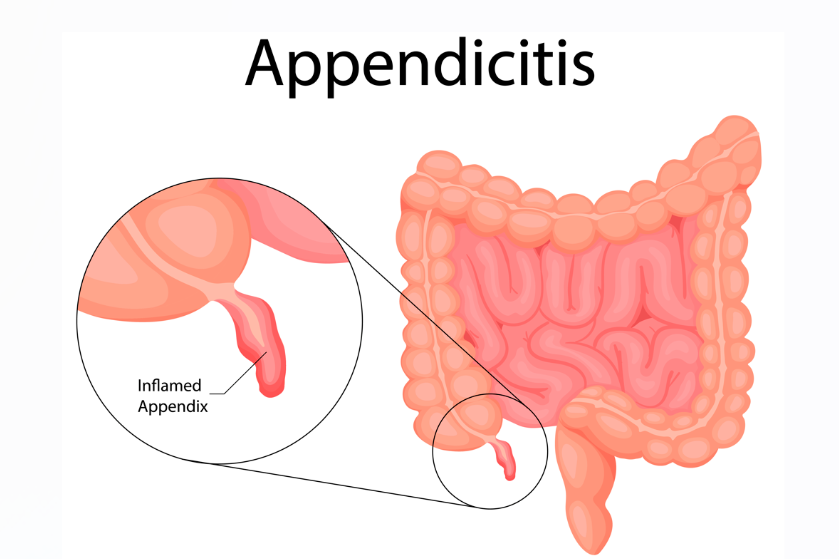
What is Appendicitis?
Appendicitis is a sudden swelling of the appendix. The appendix is a small, tube-shaped organ in your lower right belly. Although its exact role is unclear, it can become blocked and infected. When this happens, quick treatment is important. If left untreated, appendicitis can cause serious health problems. According to the CDC, appendicitis is a common reason for emergency surgery. Early care helps prevent complications.
Warning Signs and Symptoms
Recognizing appendicitis warning signs early can save lives. Symptoms often start suddenly and get worse over time. However, not everyone has the same signs. Here are common symptoms of appendicitis in adults and children:
Sometimes, symptoms can be mild at first. But as time passes, they often become more severe. For example, children and older adults may have less clear symptoms. Therefore, always watch for changes in pain or behavior.
Causes and Risk Factors
Appendicitis usually happens when the appendix gets blocked. This blockage can be caused by:
Anyone can get appendicitis. However, it is most common in people aged 10 to 30. Family history may also increase your risk. In addition, some infections in the gut can trigger swelling. While you cannot always prevent it, knowing your risk helps you act quickly.
When to Seek Emergency Care
Appendicitis is a medical emergency. If you notice any warning signs, seek help right away. Delaying care can lead to a burst appendix, which is very dangerous. Go to the emergency room if you have:
Even if symptoms seem mild, it is better to be safe. Early treatment lowers the risk of serious problems. For children, always act quickly if they complain of belly pain and seem very unwell.
Diagnosis and Treatment Options
Doctors use several steps to diagnose appendicitis. First, they ask about your symptoms and check your belly. Next, they may order tests, such as:
If appendicitis is found, surgery is often needed. The most common treatment is removing the appendix, called an appendectomy. Sometimes, doctors use a small camera and tools through tiny cuts. This is called laparoscopic surgery. In rare cases, antibiotics alone may be used if surgery is not safe. However, surgery is usually the best way to prevent a burst appendix.
Prevention and Lifestyle Tips
There is no sure way to prevent appendicitis. Still, some healthy habits may help lower your risk. For example:
While these steps support overall health, they cannot guarantee prevention. Therefore, always pay attention to new or sudden belly pain.
Frequently Asked Questions (FAQs)
If you notice any warning signs of appendicitis, seek emergency medical care immediately. Consult a specialist for personalized advice.