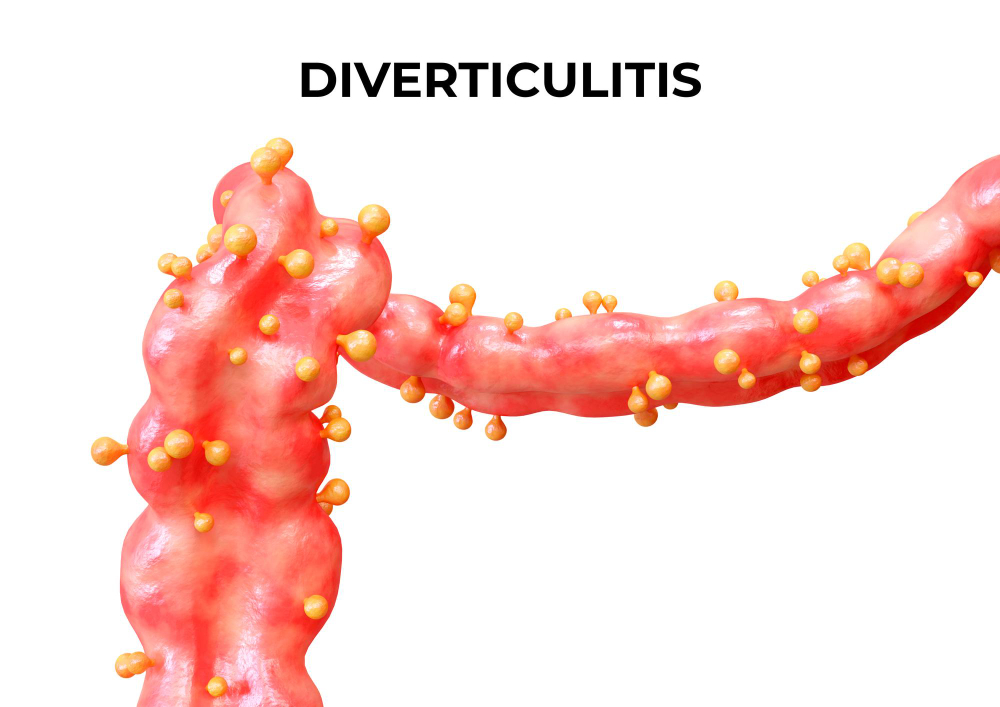
What is Diverticulitis?
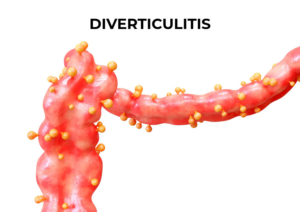
Diverticulitis is a condition that affects the colon, which is part of your large intestine. In this condition, small pouches called diverticula form in the colon wall. Sometimes, these pouches become inflamed or infected. This leads to pain and other symptoms. Many people have diverticula, but not everyone develops diverticulitis. However, when these pouches get inflamed, it can cause discomfort and health problems.
Symptoms of Diverticulitis
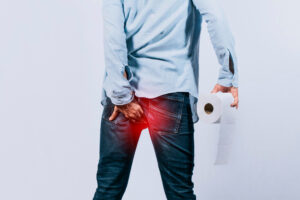
Diverticulitis symptoms can range from mild to severe. Often, symptoms appear suddenly. For example, you may notice pain in the lower left side of your belly. Other common signs include:
Sometimes, symptoms may be mild. But if you have severe pain or a high fever, you should seek medical help right away.
Causes and Risk Factors
Diverticulitis happens when the small pouches in your colon become inflamed or infected. While the exact cause is not always clear, several factors can increase your risk. For instance, a low-fiber diet can make stools harder to pass. This puts pressure on the colon wall. Over time, this pressure can lead to the formation of diverticula. Other risk factors include:
Additionally, genetics may play a role. If you have a family history of diverticulitis, your risk may be higher.
How is Diverticulitis Diagnosed?
Doctors use several methods to diagnose diverticulitis. First, your doctor will ask about your symptoms and medical history. Then, a physical exam is done. Often, blood tests help check for infection. In many cases, doctors use imaging tests to confirm the diagnosis. For example, a CT scan can show inflamed or infected pouches in the colon. Sometimes, other tests like ultrasound or X-rays are used. Early diagnosis helps prevent complications.
Treatment Options for Diverticulitis
Diverticulitis treatment depends on how severe your symptoms are. For mild cases, home care may be enough. Your doctor may suggest:
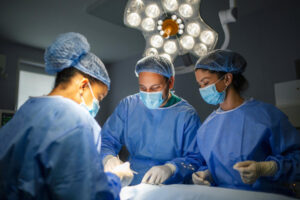
However, if symptoms are severe, you may need to stay in the hospital. In rare cases, surgery is needed to remove the affected part of the colon. Most people recover well with proper treatment.
Lifestyle Tips and Prevention
There are steps you can take to help prevent diverticulitis. For example, eating a high-fiber diet keeps your bowels regular. This reduces pressure on the colon. Other helpful tips include:
Making these changes can lower your risk and help keep your colon healthy.
When to See a Doctor
It is important to know when to seek medical help. If you have severe belly pain, fever, or cannot keep food down, contact your doctor right away. Also, if you notice blood in your stool or have ongoing symptoms, do not wait. Early treatment can prevent serious problems.
Summary
Diverticulitis is a common condition that can cause pain and discomfort. However, with early diagnosis and the right treatment, most people recover fully. Simple lifestyle changes can help prevent future problems. If you have symptoms or concerns, consult a specialist for personalized guidance on Diverticulitis.