AV Fistula Surgery is a common procedure for people with kidney failure. It helps prepare the body for dialysis, which is a treatment that cleans the blood when the kidneys cannot. Because AV Fistula Surgery is important for many patients, understanding its purpose and care is helpful. In this blog, you will learn what an AV fistula is, why surgery is needed, how it is done, and how to care for it. We will also answer common questions and share tips for a healthy recovery.
What Is an AV Fistula?
First, let’s explain what an AV fistula is. “AV” stands for arteriovenous. An AV fistula is a connection made by joining an artery and a vein. Usually, this is done in the arm. The artery carries blood from the heart, while the vein returns blood to the heart. By joining them, the vein becomes stronger and larger. This makes it easier to use for dialysis. In simple terms, an AV fistula is a safe and strong access point for dialysis treatment.
Why Is AV Fistula Surgery Needed?
Many people need AV fistula surgery because of kidney failure. When kidneys stop working well, dialysis is needed to clean the blood. However, regular veins are too weak for this process. Therefore, doctors create an AV fistula to make a strong vein for dialysis. Common reasons for AV fistula surgery include:
For those looking for AV fistula surgery in your city, many hospitals offer this important procedure.
How Is AV Fistula Surgery Performed?
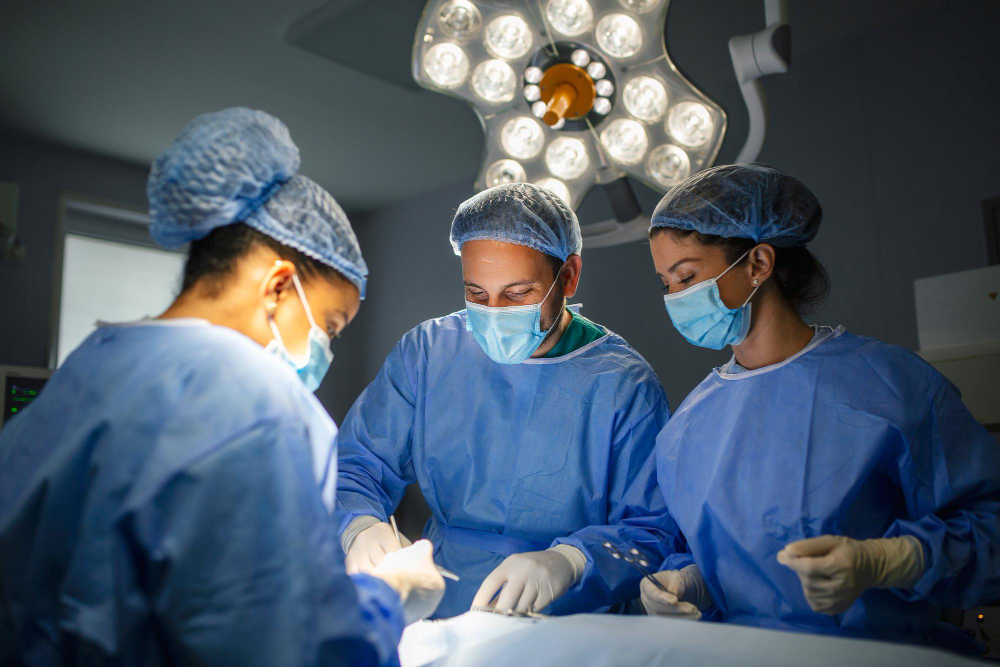
AV fistula surgery is a simple and safe procedure. Here is how it is usually done:
Most people go home the same day. However, some may stay overnight for observation.
Benefits and Risks of AV Fistula Surgery
Like any surgery, AV fistula surgery has both benefits and risks. Here are the main points to consider:
Most people have a smooth recovery, but it is important to watch for problems.
Recovery and Aftercare
After AV fistula surgery, recovery is usually quick. Most people heal within 6 to 8 weeks. During this time, the fistula grows stronger. Here are some care tips for a smooth recovery:
With proper care, the fistula will be ready for dialysis when needed. For more details, ask your healthcare team about AV fistula surgery recovery.
Prevention and Lifestyle Guidance
Taking care of your AV fistula is important. Here are some practical AV fistula care tips:
By following these tips, you can help prevent complications and keep your fistula healthy.
When to Consult a Specialist
Sometimes, problems can happen after AV fistula surgery. You should contact your doctor or specialist if you notice:
Early treatment can prevent serious complications. Therefore, do not wait if you have any concerns.
Frequently Asked Questions (FAQs)
How long does it take for an AV fistula to be ready for dialysis?
Usually, it takes 6 to 8 weeks for the fistula to mature. Sometimes, it may take longer. Your doctor will check when it is ready.
Is AV fistula surgery painful?
Most people feel only mild discomfort. Local anesthesia is used, so you should not feel pain during the surgery.
Can I use my arm normally after surgery?
Yes, but avoid heavy lifting and do not sleep on the arm. Gentle use is safe and may help the fistula grow stronger.
What are the signs of a problem with my AV fistula?
Watch for redness, swelling, pain, or loss of vibration in the fistula. If you notice these, contact your doctor.
Are there alternatives to AV fistula for dialysis?
Yes, there are other options like grafts or catheters. However, AV fistula is often the best choice for long-term dialysis.
For more information, you can visit trusted sources like the CDC or National Kidney Foundation.
Consult a specialist for personalized guidance on AV Fistula Surgery.