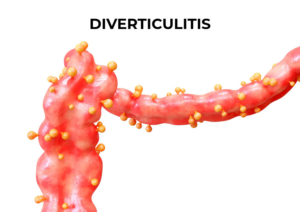

What is Appendicitis?
Appendicitis is a sudden swelling of the appendix, a small pouch in your lower right belly. This condition is a medical emergency. If not treated quickly, the appendix can burst. Because of this, knowing the warning signs of appendicitis is very important. Early care can prevent serious problems and save lives.
Common Warning Signs and Symptoms
Often, appendicitis starts with mild pain near the belly button. However, the pain usually moves to the lower right side of the belly. It can get worse over time. Besides pain, there are other warning signs to watch for.
Sometimes, symptoms can be different in children, older adults, or pregnant women. For example, pain may be less clear or felt in other areas.
When to Seek Emergency Care
Because appendicitis can get worse quickly, you should seek emergency care if you notice these warning signs. If you have sudden, severe belly pain that does not go away, get help right away. Also, if you have pain with vomiting, fever, or swelling, do not wait. Delaying care can lead to a burst appendix, which is very dangerous.
In summary, quick action can prevent serious problems. Call your doctor or go to the emergency room if you are unsure.
Diagnosis and Medical Evaluation
Doctors use several steps to check for appendicitis. First, they will ask about your symptoms and do a physical exam. They may press on your belly to find the sore spot. Next, they may order tests to help confirm the diagnosis.
According to the CDC, these tests help doctors decide if you need surgery or other care.
Treatment Options for Appendicitis
Usually, surgery is the main treatment for appendicitis. The surgeon removes the inflamed appendix in a procedure called an appendectomy. This can be done with a small cut (laparoscopic surgery) or a larger cut (open surgery). Sometimes, if the appendix has not burst, doctors may try antibiotics first. However, surgery is often needed to prevent problems.
After surgery, most people recover well with proper care.
Recovery and Aftercare
After an appendectomy, you will need some time to heal. Most people can go home within a few days. However, recovery time depends on your health and the type of surgery. You may need to rest and avoid heavy lifting for a few weeks. Your doctor will give you instructions on caring for your wound and signs to watch for.
In most cases, people return to normal activities in two to four weeks.
Prevention Tips and Lifestyle Guidance
While you cannot always prevent appendicitis, some healthy habits may help. Eating a diet high in fiber, such as fruits and vegetables, may lower your risk. Drinking enough water and staying active can also support good digestion. However, there is no sure way to prevent appendicitis.
Most importantly, know the warning signs and act quickly if you notice symptoms.
If you notice warning signs of appendicitis, consult a healthcare specialist immediately for personalized care.