What is Laparoscopic Cholecystectomy?
Laparoscopic cholecystectomy is a type of gallbladder surgery. Doctors use this minimally invasive procedure to remove the gallbladder. In most cases, they choose this method because it uses small cuts instead of one large cut. As a result, recovery is often quicker and less painful. Many people in the United States have this surgery each year. It is also called laparoscopic gallstone removal or minimally invasive cholecystectomy.
Understanding Gallstones
Gallstones are small, hard pieces that form in the gallbladder. The gallbladder is a small organ under your liver. It stores bile, which helps digest fat. Sometimes, bile forms stones. These stones can block the flow of bile and cause pain or infection. Not everyone with gallstones needs surgery. However, some people develop symptoms that require treatment.
Symptoms Indicating Surgery is Needed
Although many people have gallstones without symptoms, some signs mean you may need surgery. For example, you should watch for:
When these symptoms appear, it may mean a gallstone is blocking a duct. In such cases, laparoscopic cholecystectomy is often recommended. According to the CDC, surgery is the most common treatment for painful gallstones.
How is Laparoscopic Cholecystectomy Performed?
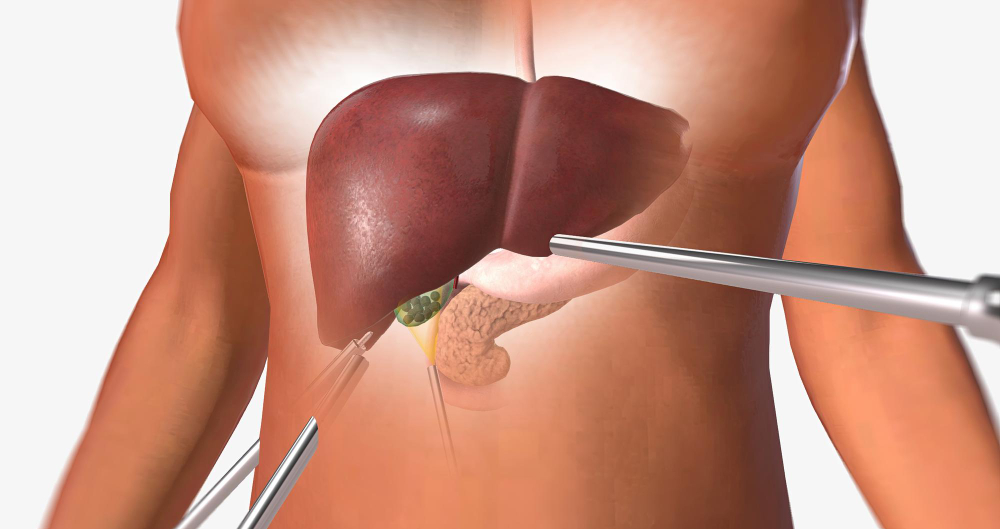
During this gallbladder surgery, the doctor makes a few small cuts in your belly. Next, a thin tube with a camera, called a laparoscope, is inserted. This tool lets the surgeon see inside your body. Then, special tools remove the gallbladder through one of the cuts. Because the cuts are small, there is less pain and a shorter hospital stay. Most people go home the same day or the next.
Benefits and Risks of the Procedure
Laparoscopic gallstone removal offers many benefits. However, like all surgeries, it has some risks. Let’s look at both sides:
But, there are some risks, such as:
Still, most people recover well. According to the National Institutes of Health, serious problems are rare.
Recovery and Aftercare Tips
After minimally invasive cholecystectomy, most people feel better within a week. However, it is important to follow your doctor’s advice. Here are some tips for a smooth recovery:
If you notice any problems, contact your doctor right away. Most people return to work and normal life in about one week.
Prevention and Lifestyle Guidance
While not all gallstones can be prevented, some steps may help lower your risk. For example, you can:
Even after gallbladder surgery, these habits support your overall health. In addition, they may help prevent other digestive issues.
When to Consult a Surgeon
If you have gallstone symptoms, do not wait. For instance, if you have sudden pain, fever, or yellow skin, seek medical help. Early treatment can prevent serious problems. A surgeon can explain if laparoscopic cholecystectomy is right for you. In the United States, this surgery is safe and common. However, only a specialist can decide the best care for your needs.
For personalized guidance on gallstone treatment and surgery, consult a specialist today.